InterActive Floor
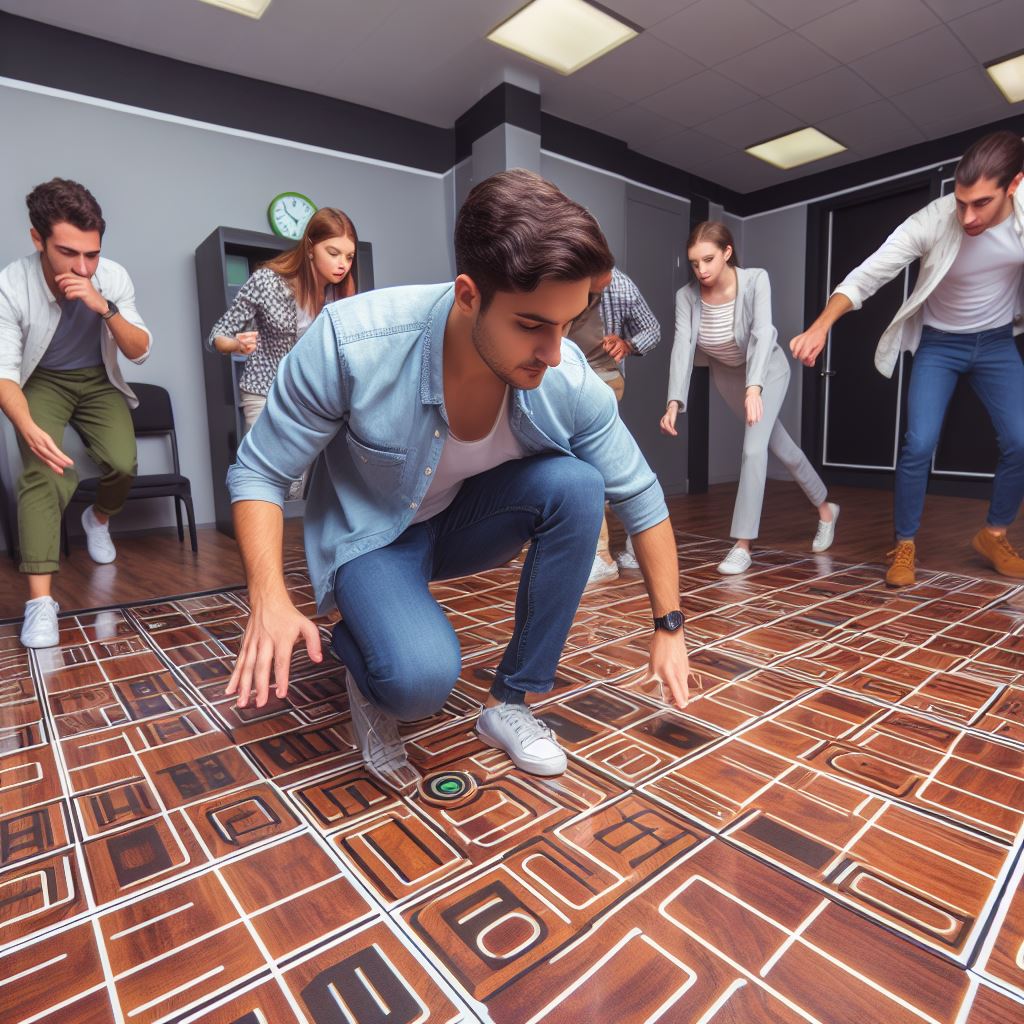
This is a state-of-the-art feature where the floor is embedded with pressure-sensitive tiles.
Depending on where participants step, jump, or dance, different responses are triggered.
For example, a correct sequence could reveal the next clue or open a hidden passage.
Conversely, a wrong step could lead to a setback in the game, urging players to think on their feet – literally!
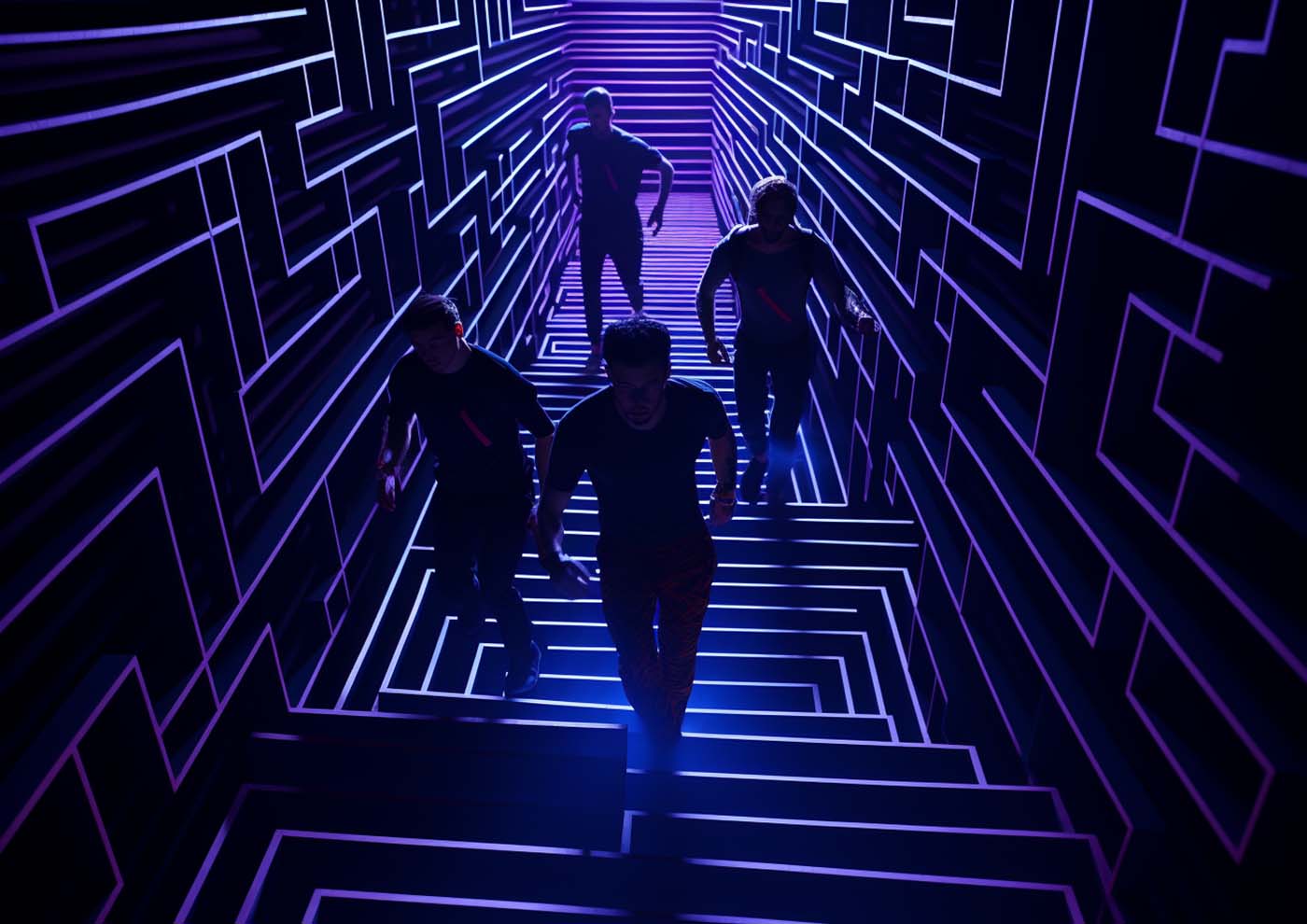
Maze Race
Mazes force participants to be alert and active. By creating areas where they need to crawl, crouch, or move swiftly to avoid "dangers",
you instill a sense of urgency and adventure.
This is especially effective for themes that involve being chased or racing against time.
Wall Climbing
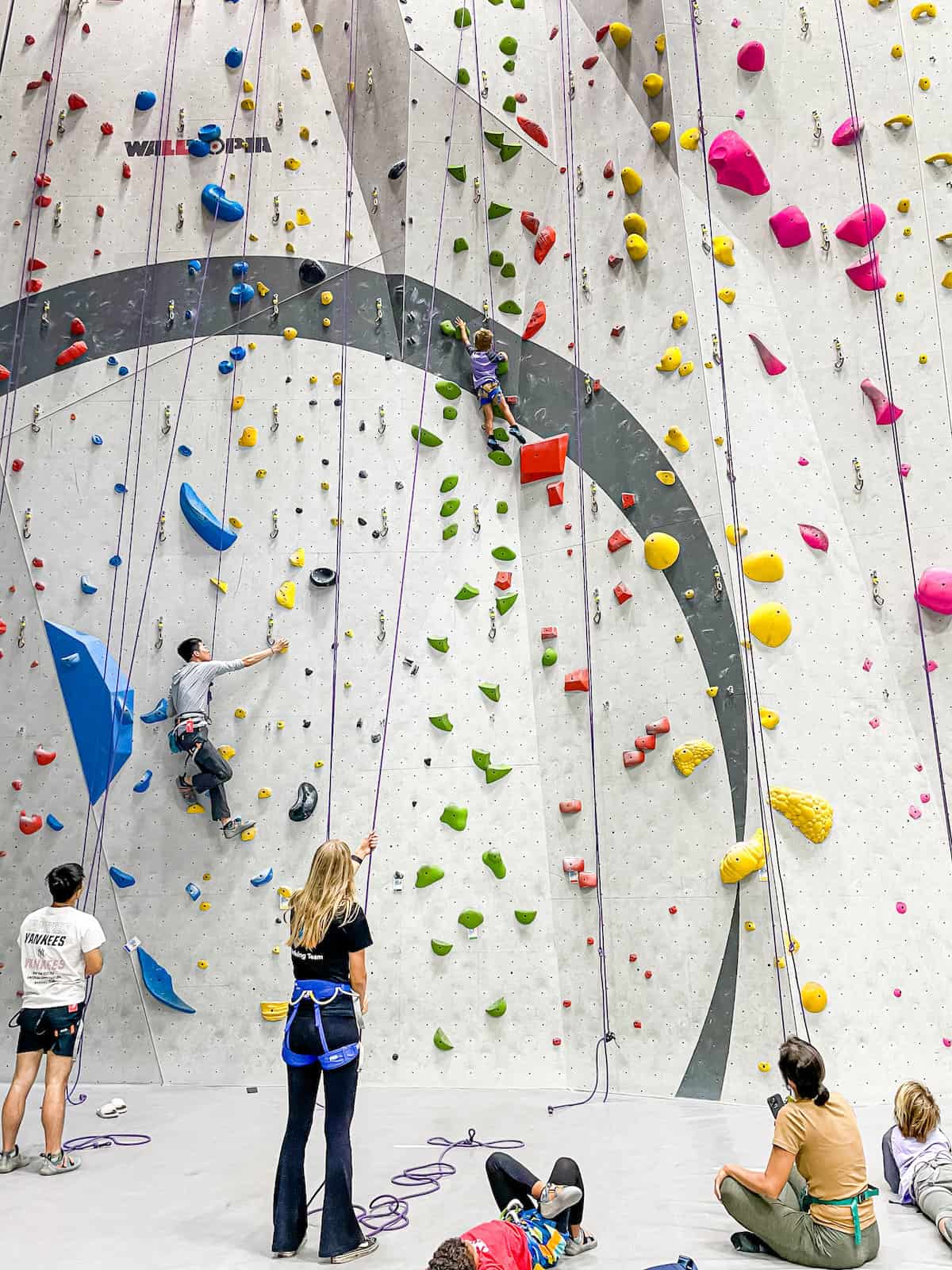
Incorporating wall climbing into an escape room not only offers a great physical challenge but also an element of thrill.
By placing clues or keys at different heights, participants are motivated to climb and search.
It also encourages teamwork, as some might climb while others spot or provide guidance.